

Your Rights Against Creditor Harassment in Illinois: FDCPA Protections and How Bankruptcy Stops Collection Calls
Illinois residents have powerful tools to stop creditor harassment. Under the federal Fair Debt Collection Practices Act (FDCPA), you can demand that debt collectors stop calling you. Filing for bankruptcy also triggers the automatic stay, which halts all collection efforts immediately. The Law Office of Sara J. Gray, P.C. in Joliet helps Will County clients understand both options in a free consultation — with bilingual staff available to assist in English or Spanish.
Debt problems create stress, shame, and sleepless nights, but you are not powerless. If collection calls, letters, or threats are disrupting your life, it is important to know that the law is on your side. Below, we explain your rights, what collectors can and cannot do, and how bankruptcy provides immediate and lasting protection.
What the FDCPA Prohibits
The FDCPA is a federal law that regulates third-party debt collectors. It does not apply to original creditors, but it does apply to collection agencies, debt-buying companies, and law firms that collect debts.
Under the FDCPA, a debt collector may NOT:
- Call you before 8 a.m. or after 9 p.m.
- Call you repeatedly with the intent to annoy, harass, or abuse you.
- Use threats of arrest, violence, or legal action they do not intend to take.
- Use obscene or profane language.
- Discuss your debt with your employer, neighbors, or family members (except limited calls to locate you).
- Misrepresent who they are or how much you owe.
- Continue contacting you after you tell them in writing to stop.
If a collector violates these rules, you may be entitled to damages — even if you truly owe the debt. At the Law Office of Sara J. Gray, P.C., we frequently guide individuals across Joliet and Will County through their rights under the FDCPA so they can regain control and stop the harassment.
How to Send a Written Cease-and-Desist Letter
A cease-and-desist letter is one of the most effective ways to stop collection calls. Under federal law, once a collector receives a written notice telling them to stop contacting you, they may only communicate one more time to confirm that they will no longer reach out or to inform you of legal action they plan to take.
Your letter should include:
- Your full name and address
- The account number (from the collection letter)
- A clear statement such as: “I am requesting that you cease all communication with me regarding this alleged debt.”
- The date and your signature
Send the letter by certified mail with return receipt requested. This gives you proof the collector received it. Once the agency has that letter, any further calls or messages may constitute a violation of federal law. During your consultation, we can help you prepare this letter or discuss whether bankruptcy may be a better long-term solution to stop collection activity for good.
How Bankruptcy Immediately Stops Harassment: The Automatic Stay
For many people in Joliet, Plainfield, Bolingbrook, Romeoville, and the surrounding Will County communities, bankruptcy is the quickest and most comprehensive way to stop creditor harassment. The moment a bankruptcy case is filed — whether Chapter 7 or Chapter 13 — the “automatic stay” goes into effect.
The automatic stay legally stops:
- Collection calls and letters
- Wage garnishments
- Utility shutoff threats
- Lawsuits related to debt
- Bank account freezes
- Vehicle repossession efforts
- Mortgage foreclosure proceedings
This protection is powerful and immediate. Collectors are not allowed to contact you, continue lawsuits, or move forward with garnishments after the stay begins. Violating the automatic stay can expose them to court sanctions. With more than two decades of experience as a bankruptcy attorney in Joliet and throughout Will County, Attorney Sara J. Gray uses the automatic stay every day to give clients breathing room and a fresh start.
To learn more about creditor harassment protections, visit Creditor Harassment. To explore whether Chapter 7 or Chapter 13 bankruptcy may help your situation, visit Bankruptcy.
When Creditors Violate FDCPA or Automatic Stay Protections
If a collector violates the FDCPA or continues to contact you after you have filed bankruptcy, you have legal remedies. The law recognizes the emotional and financial harm that harassment causes, and courts take these violations seriously.
Possible remedies include:
- Statutory damages (up to $1,000 under the FDCPA)
- Actual damages for emotional distress or financial losses
- Attorney’s fees paid by the collector
- Court sanctions for violating the automatic stay
These remedies exist to protect you and hold collectors accountable when they refuse to follow the law. As a small, client-centered law office, we walk each client through their rights step-by-step and help determine whether pursuing damages is appropriate.
How Bankruptcy Helps Illinois Residents Rebuild
Stopping harassment is only the first step. Bankruptcy offers long-term relief that goes beyond reducing stress.
For many Illinois residents, Chapter 7 bankruptcy eliminates most unsecured debts — including credit cards, medical bills, and personal loans — in as little as four to six months. Chapter 13 provides a court-supervised repayment plan that can stop foreclosure, catch up on missed mortgage payments, and protect assets that might not be exempt in Chapter 7. Both options are available to residents throughout Joliet, Plainfield, New Lenox, Lockport, and the surrounding areas looking for a realistic path to debt relief.
Our team, including bilingual staff, works closely with clients to explain the differences, review qualifications, and outline what documents are needed. We know finances are tight for many families, so we structure fees with affordability and transparency in mind.
When You Should Consider Professional Help
Persistent harassment, threats, or the pressure of wage garnishment are strong signs that it’s time to speak with a bankruptcy lawyer in Joliet. Even if you’re unsure about filing, a consultation can help you understand your options under both federal consumer protection laws and bankruptcy law. You deserve relief, and you don’t have to navigate this alone.
FAQ
Can debt collectors call me at work?
Collectors are allowed limited calls to your workplace unless you tell them your employer does not allow such calls. Once you notify them, they must stop calling your workplace immediately.
What if a collector keeps calling after I asked them to stop?
If you made the request in writing and they continue contacting you, they may be violating the FDCPA. You may be entitled to damages. Our office can help review your communications and advise on next steps.
Does bankruptcy stop all collection efforts?
Yes. The automatic stay stops nearly all collection activity the moment your case is filed. This includes calls, letters, garnishments, lawsuits, and repossession efforts. Certain actions, such as criminal matters or child support proceedings, may continue, but consumer debt collection must cease.
What happens if a creditor violates the automatic stay?
They may be subject to sanctions or fines, and you may be able to recover damages. Bankruptcy courts take stay violations seriously, and our office can help enforce your rights.
Do you offer consultations in Spanish?
Yes. Our bilingual staff assists clients in both English and Spanish. We believe every Will County resident deserves clear, compassionate legal help, regardless of language.
If creditor harassment is overwhelming you, you are not alone — and you have rights. Call the Law Office of Sara J. Gray, P.C. today at (815) 723-4543 to schedule your free consultation and take the first step toward peace of mind.
About The Author
Sara J. Gray | Attorney
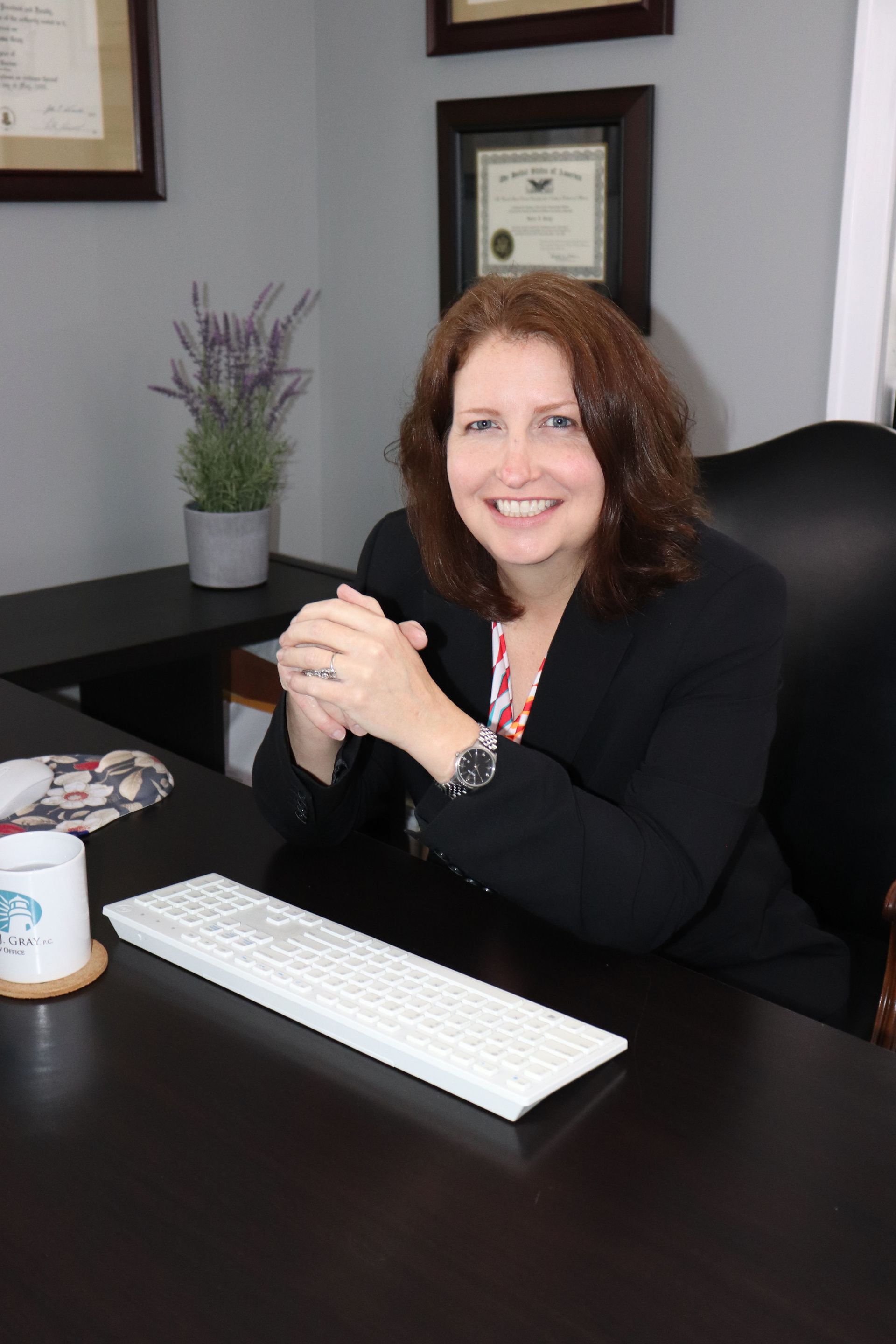
Sara J. Gray is the founder and principal attorney of the Law Office of Sara J. Gray, P.C., a general practice law firm in Joliet, Illinois serving Will, Kendall, Grundy, Cook, and DuPage counties since 2001. With 25 years of experience and more than 1,000 bankruptcy cases filed, Sara focuses her practice on helping individuals and families find real solutions to financial hardship, real estate transactions, and criminal or traffic charges — without the runaround, the inflated fees, or the revolving door of attorneys that larger volume firms are known for. Her office is fully bilingual in English and Spanish, and Sara and her staff take pride in making the legal process approachable for clients who may be walking through a law office door for the first time. When she's not in court or at the closing table, Sara is most likely at her Joliet office on Plainfield Road — same place she's been for over two decades.